Выпуск
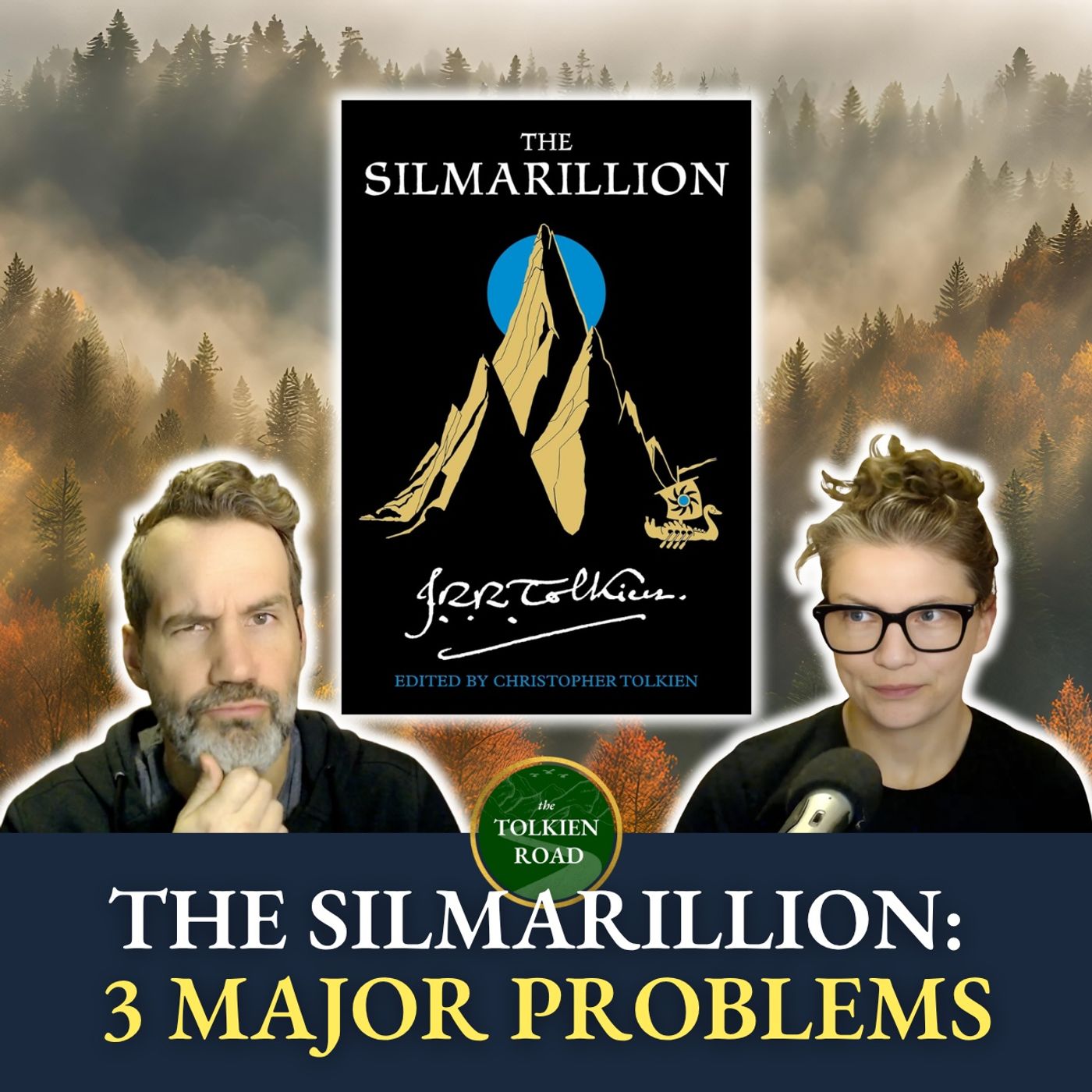
Three Major Problems With The Silmarillion (Episode 0253 Revisited)
The Tolkien Road · 30 сентября 2026 г. · 55 мин
Is The Silmarillion harder to read than it needs to be?In this episode of The Tolkien Road, we take a loving but critical look at three major problems with the published Silmarillion — and how a future edition might make Tolkien’s mythology far more accessible to first-time readers. 00:00 — Introduction 04:45 — The Silmarillion: Three Big Problems and How to Fix Them 06:40 — Why the Published Silmarillion Is Open to Criticism 10:47 — The Three Big Problems 11:10 — Problem #1: The Maps 23:21 — Problem #2: The Lack of a Frame Narrative 28:57 — Problem #3: No Timetable 31:30 — What a Better Edition of The Silmarillion Could Look Like 33:11 — Is There a Fourth Problem? 33:35 — Listener Correspondence Why The Silmarillion Is So Difficult Tolkien himself never completed the book Christopher Tolkien faced the enormous task of organizing decades of unfinished material Even highly motivated Tolkien readers often struggle to finish The Silmarillion The problems discussed here are less about Tolkien’s stories themselves than about how the material is presented Better reference material and narrative structure could help more readers enter Tolkien’s First Age Problem #1: The Maps The maps in The Lord of the Rings give readers an immediate geographical frame of reference The Silmarillion primarily gives us a map of Beleriand That map does not become especially useful until well into the book Early locations such as Valinor are not represented on it Important locations such as Angband are also missing Without understanding Beleriand’s relationship to the later Middle-earth map, first-time readers can easily become confused A future edition could include multiple maps corresponding to different eras and sections of the story Additional reader aids such as character lists, footnotes, and more accessible appendices could also help Problem #2: The Lack of a Frame Narrative The Hobbit and The Lord of the Rings give readers a much more immediate narrative point of view The Silmarillion can feel detached or chronicle-like by comparison Tolkien’s earliest versions of these stories actually did include a frame narrative The various tales of The Silmarillion are interconnected, but they are not one continuous story in the way The Lord of the Rings is Stories such as Beren and Lúthien and the Fall of Gondolin can feel almost like separate works within a larger mythology A frame involving Bilbo, Frodo, Aragorn, Rivendell, or the Red Book of Westmarch could potentially provide greater continuity Such a structure would also connect The Silmarillion more directly with the familiar world of The Hobbit and The Lord of the Rings Problem #3: No Timetable The Lord of the Rings gives readers useful chronological information in Appendix B The Silmarillion covers immense spans of time without providing a similarly accessible timeline A concise chronology could help readers understand when major events occur and how much time separates them Events such as Melkor’s alliance with Ungoliant, the destruction of the Two Trees, and the major wars of the First Age could be placed within a simple chronological framework The detailed chronological material elsewhere in Tolkien’s writings could potentially be distilled into a more reader-friendly reference What a Better Silmarillion Could Accomplish More maps Better character and reference guides A stronger narrative frame A concise timeline of major events More help orienting first-time readers without changing Tolkien’s actual stories Greater accessibility could introduce many more Tolkien fans to the stories that were closest