Выпуск
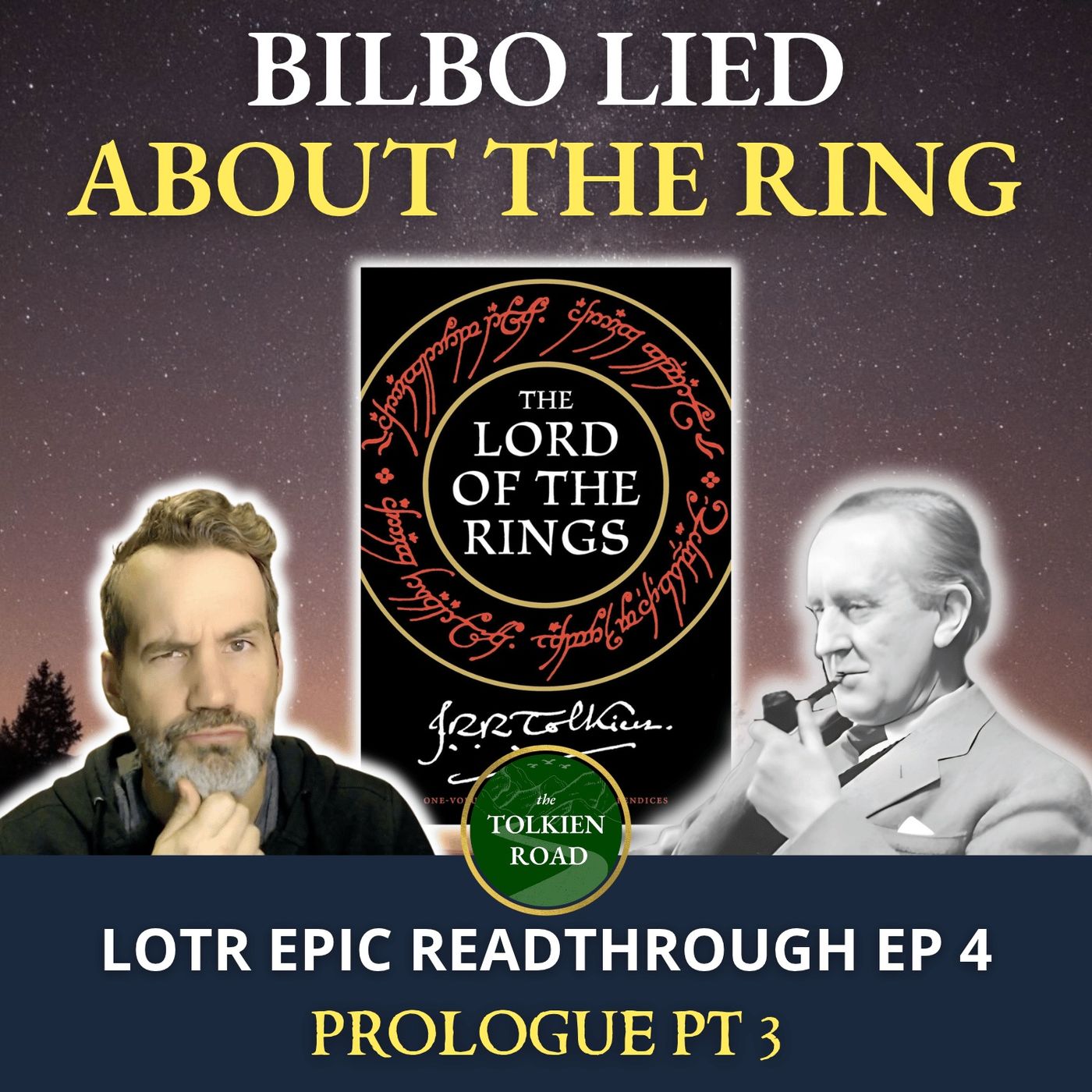
0386: The Lord of the Rings » Prologue » Of the Finding of the Ring and a Note on Shire Records
The Tolkien Road · 26 октября 2026 г. · 21 мин
Why did Bilbo lie about how he found the Ring—and why did Tolkien invent an entire history for the manuscripts behind The Lord of the Rings? In Episode 386 of The Tolkien Road, John concludes the Prologue with “The Finding of the Ring” and “Note on the Shire Records.” We explore Bilbo’s false account, Gandalf’s suspicions, the mysterious “luck” behind finding the Ring, and Tolkien’s elaborate history of the Red Book of Westmarch. ━━━━━━━━━━━━━━ CHAPTERS 00:00 — Introduction 01:10 — The Finding of the Ring 02:27 — The Accident That Changed Middle-earth 03:24 — Was Finding the Ring Really Luck? 04:04 — Does the Ring Have a Will? 05:26 — Bilbo’s Original Version of the Story 07:11 — Why Did Bilbo Lie? 08:02 — Gandalf Doesn’t Believe Bilbo 08:25 — Bilbo’s Mithril Coat 09:16 — Note on the Shire Records 09:53 — Why Hobbits Started Writing History 11:00 — Tolkien’s Imaginary Textual History 11:47 — The Great Shire Libraries 12:32 — Merry, Pippin, and Sam’s Connections 13:08 — The Red Book of Westmarch 13:33 — The Thain’s Book 14:50 — Tolkien the Textual Historian 16:31 — Bilbo’s Translations from the Elvish 17:15 — A Frame Narrative for The Silmarillion? 17:48 — Merry and Pippin’s Historical Works 18:28 — Númenor and Sauron in the Records 19:08 — Tolkien’s Universe-Building ━━━━━━━━━━━━━━ BILBO LIED ABOUT THE RING Bilbo did not originally tell the true story of how he obtained the Ring. He claimed Gollum had promised it to him as a present if Bilbo won the riddle game. Why change the story? The altered version puts Bilbo’s ownership beyond doubt. Instead of merely taking Gollum’s treasure, he can tell himself that he legitimately earned it. That becomes an early sign of the Ring working upon him. ━━━━━━━━━━━━━━ WAS IT REALLY LUCK? Bilbo finding the Ring initially seems like an accident. But the Ring may itself be trying to escape Gollum and return to Sauron. At the same time, another will appears to be at work. The fact that a Hobbit—and specifically Bilbo—finds it becomes enormously important. ━━━━━━━━━━━━━━ THE RED BOOK OF WESTMARCH The final section of the Prologue gives us Tolkien’s imaginary textual history of Middle-earth. After the War of the Ring, Hobbits develop a greater interest in their past and establish important libraries at Undertowers, Great Smials, and Brandy Hall. At the center of this history is the Red Book of Westmarch. It begins with Bilbo’s diary. Frodo adds the account of the War of the Ring. Later copies preserve and expand the material. ━━━━━━━━━━━━━━ BILBO AND THE SILMARILLION Bilbo’s three volumes of Translations from the Elvish concern the Elder Days. That strongly suggests an in-universe source for much of the material we know as The Silmarillion. It also raises a fascinating possibility: Bilbo working in Rivendell could have provided a natural frame narrative for The Silmarillion itself. ━━━━━━━━━━━━━━ THE BIG TAKEAWAY Tolkien does more than invent history. He invents the history of how that history was recorded. The Red Book, the Thain’s Book, Bilbo’s translations, and the writings of Merry and Pippin make Middle-earth feel like a lost world whose surviving texts Tolkien merely inherited, edited, and translated. ━━━━━━━━━━━━━━ SPECIAL THANKS • John R. • Caitlin of Tea with Tolkien • KG • Melkor27 • Saber Systems • Jeremy D. • Emilio P. • Jonathan D. • Richard K. Become a supporter of this podcast: https://www.spreaker.com/podcast/the-tolkien-road--5222755/support .