Выпуск
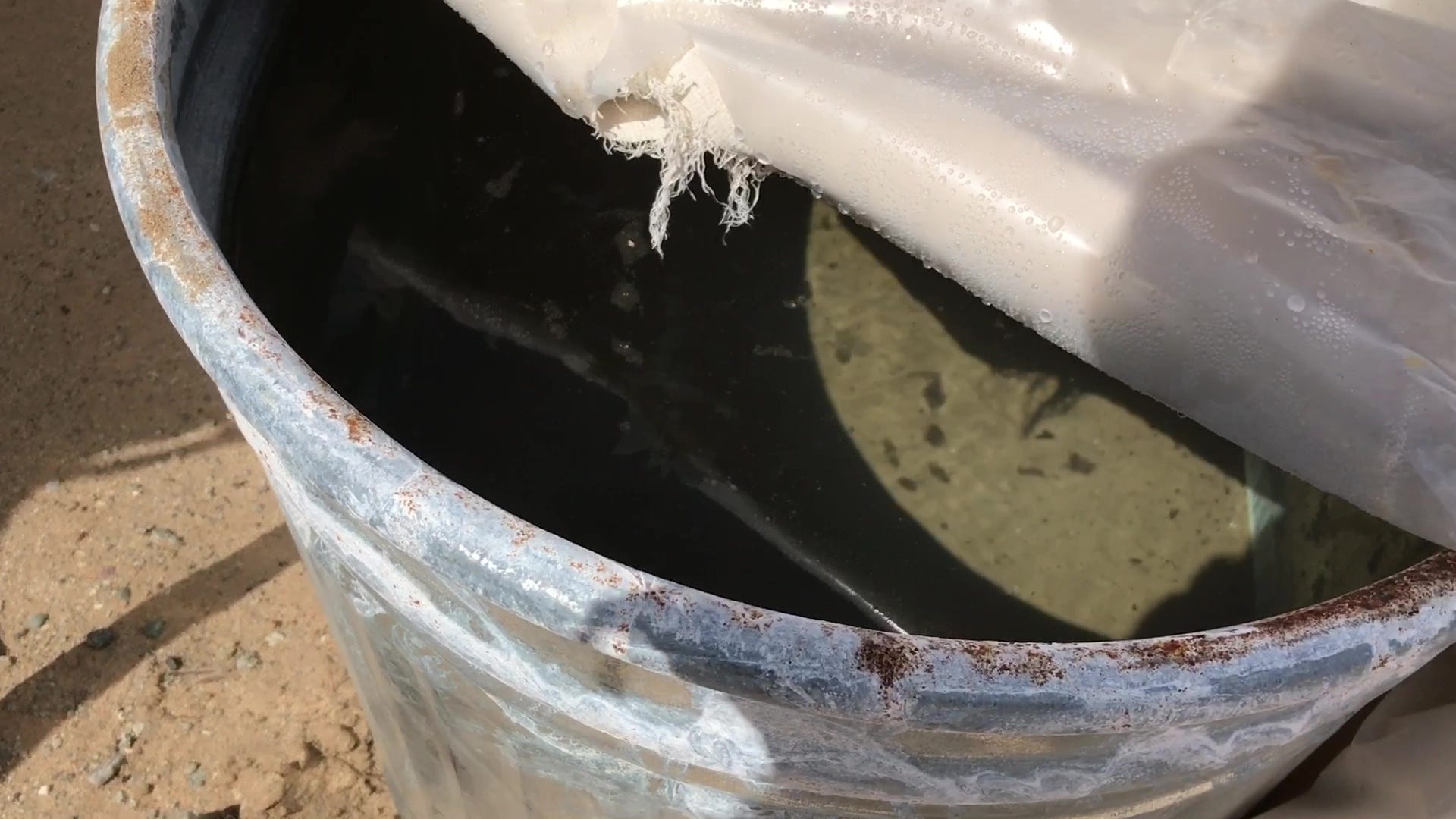
Successful Operation Of Galvanized Stock Tank Rainwater Storage System After 2 Years Of Exposure | 2
Tactical Ecology · 25 октября 2026 г. · 3 мин
It had been about 9 months that I was away from my land and I had several hundred gallons of stored rain water in galvanized stock tanks being protected from the elements with plastic sheeting as a moisture barrier and a canvas drop cloth as a UV barrier. The water had been there almost a year before I left so the system had nearly two years of being tested. Even after being battered by countless extreme sand storms, there were only a few tears in the cloth, and a few holes in the plastic. I would have expected that all of the water would have evaporated even through the small holes given how hot it gets in the summer, however most of it remained. It was re-assuring to find most of the water still there upon return, however it was a big gamble because if I had come back to the land to survive and escape an urban disaster, I’d not only be disappointed, I’d be dead if those systems didn’t hold up. So it was more luck than skill at that point. I also realized that in addition to being “under built” given the hostile environment, they really should have been buried underground. My main design consideration was that I wanted to experiment with “post-plastic” water storage as a spiritual and ecological practice. I just don’t want to bring anything toxic onto my land unnecessarily. If it can be done without using plastic, even if it’s more expensive and/or less optimal in certain ways, I’m going to favor that approach. However, one of my 55 gallon plastic drums that hadn’t yet been phased out had been opened by someone, probably a scavenging tweaker. Luckily they left the cap to the drum sitting on the lid after looking inside, but didn’t have the courtesy to put it back, so another loss, though surprisingly small. Of course I immediately thought, if that was a bad actor, the enemy known or unknown, they could have easily poisoned it in a way that couldn’t be detected or filtered. Obviously that’s a tactical error with potentially lethal consequences. So it’s back to the drawing board to secure long term water on the land. With heavy equipment and a lot of money, the “right way” to do it in modern times is to bury large plastic tanks. However one rule that I’m not about to get lax on is the “if it can break my back, or if I can’t easily lift it by myself, it doesn’t belong on my land” rule. So I won’t be installing any big underground tanks even if I could afford to. What I will likely do is bury 55 gallon drums and protect them by first installing some kind of box structure. However it can’t be made of wood otherwise termites will devour it. Perhaps bricks or cinder blocks secured by material that’s not likely to rot or corrode, yet not concrete so that it could be dissembled easily if necessary. I’ve also thought of collecting hundreds of hard liquor bottles from the urban bar scene, filling them with filtered water, and sealing them in some manner that would protect them from the elements and underground creatures. Get full access to Tactical Ecology at tacticalecology.substack.com/subscribe