Выпуск
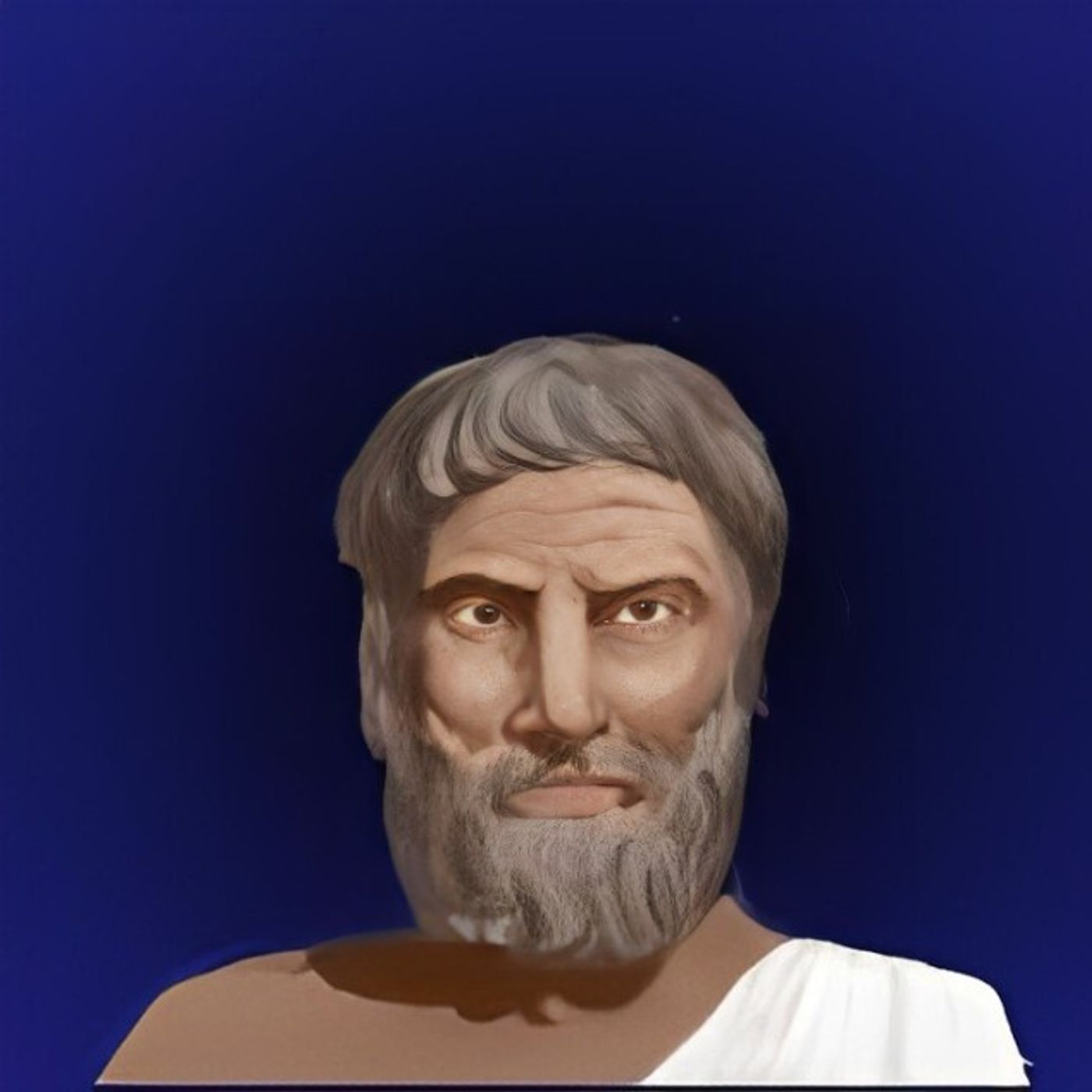
How to Enjoy Your Own Home More - Epicurus
Philosophies for Life · 7 ноября 2026 г. · 2 мин
In ancient Athens, Epicurus escaped the noise, hustle, and judgment of the city by building a modest home outside the gates. He understood a timeless truth: your house is meant to protect your mind just as much as your body. Today, we have central heating and soft mattresses, but our homes are no longer safe havens. By bringing our smartphones, work emails, and social media feeds right into our bedrooms, we have invited an entire crowd of eight billion people into our private lives. In this video, we explore the Epicurean philosophy of creating a physical sanctuary, setting digital boundaries, and rediscovering the quiet luxury of closing your front door on the noise of the world. Epicurus is one of the most important figures in the history of philosophy, as well as of science. He is less known than Plato or Socrates, but, nonetheless, his teachings are precious and timeless. He lived between 341 to 270 BC, and wrote more than 300 works during his lifetime. Most of his work has been lost, but what remains is extremely relevant even today. In science, he was one of the first to describe the natural world as made of atoms and he rightly understood that all the natural phenomena are in fact based on the movement of atoms. Also, he strongly stressed the importance of basing our beliefs on empirical evidence and logic. In philosophy, he was part of the hedonist movement and he was most famous for his skilful insights into the concept of happiness, starting his own School of Happiness, also known as Epicurean hedonism or simply Epicureanism. If stoics believed that living justly and virtuously is the highest good and that we should be indifferent to pleasure and pain, Epicureanism believed that we should seek to maximise the pleasures in life. There were some rumours that in his school people lavished themselves in orgies, luxury and decadence, but these rumours were unfounded. Epicurus didn’t have any interest in orgies and expensive meals. His idea of pleasure is far from the classical one. He departed from the classical school of hedonism for which pleasure is the highest good, adding that the pleasure of the mind, not the pleasure of the senses, is the true ‘highest good’. He believed that the greatest happiness comes from reducing suffering, achieving an inner state of peace which he called ataraxia. Ataraxia means being content with simple things in life, like having philosophical conversations about the meaning of life, in your small garden, with your best friends. According to Epicurus, the pleasure from pursuing wisdom is the highest form of pleasure, and the most valuable as it is the one that leads us to true happiness.