Выпуск
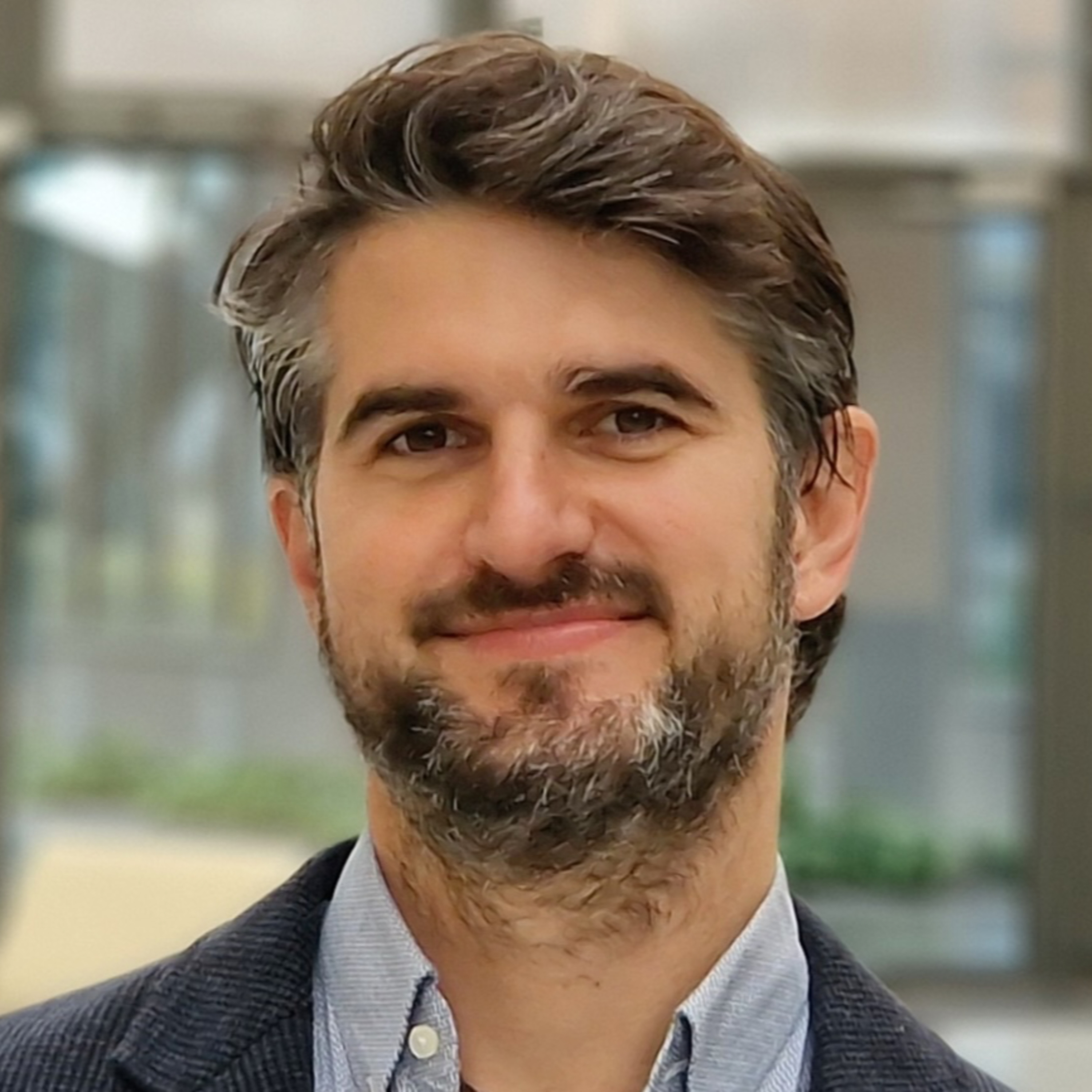
#83: Eduardo Moraud – Making DBS Respond to Everyday Movement
Stimulating Brains · 9 ноября 2026 г. · 1 ч 34 мин
Eduardo Moraud, neural engineer and assistant professor at EPFL’s Neuro-X Institute, joins Andreas Horn to explore how deep brain stimulation can adapt to what a person is doing—and why walking may require different settings from those used to control tremor or rigidity. At the center of our conversation is his team’s recent Nature Medicine paper on activity-dependent adaptive DBS for Parkinson’s disease. Combining physiological recordings in 35 people with a separate four-person feasibility study, the work investigates how brain signals can guide personalized stimulation during walking. Some participants benefited from more stimulation, while others needed less. We discuss these differences, how medication and stimulation change the signals used for control, and what remains to be demonstrated beyond brief, supervised testing. Building on our previous episode with Doris Wang, we compare recognizing walking with following the rhythm of individual steps. Eduardo also shares his journey through robotics, artificial intelligence, and spinal stimulation, reflecting on mentorship, patient encounters, and why simplicity and reliability matter when bringing neurotechnology into everyday care.