Выпуск
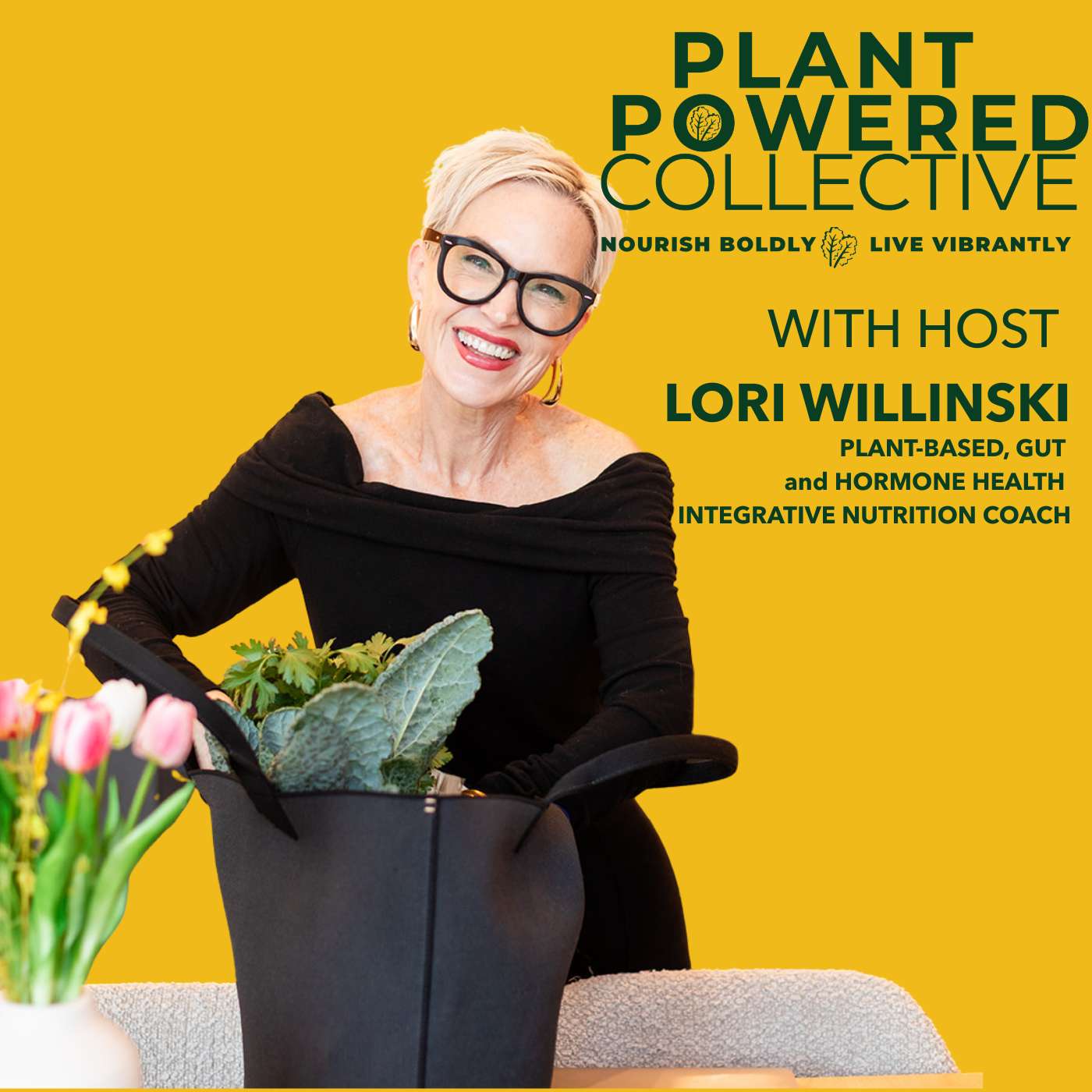
Healthy Eating Has a Marketing Problem: Supplements, Ultra-Processed Foods & What Women Really Need
Plant Powered Collective · 2 ноября 2026 г. · 23 мин
Healthy Eating Has a Marketing Problem: Supplements, Ultra-Processed Foods & What Women Really Need Healthy eating has become incredibly complicated. Open Instagram or TikTok and it can feel like we all need creatine, collagen, greens powders, electrolytes, probiotics, prebiotics, adaptogens, protein snacks, gut-health products, and a supplement stack just to get through the day. But do we? In this episode of the Plant Powered Collective Podcast , Lori Willinski, Integrative Nutritionist and founder of Plant Powered Collective, looks at the growing wellness-marketing machine and asks a simpler question: What do we actually need to support our health? Pull up a chair at Lori’s table for a practical, non-judgmental conversation about supplements, ultra-processed foods, clean products in the home, healthy convenience, and how to tell the difference between something that is truly useful and something that is simply being marketed well. In This Episode Lori talks about: • Why healthy living has become increasingly complicated • The difference between minimally processed convenience foods and ultra-processed products • Why “processed” and “ultra-processed” are not the same thing • What research tells us about ultra-processed foods, weight, appetite, and eating behavior • The landmark NIH study, “Ultra-Processed Diets Cause Excess Calorie Intake and Weight Gain” • The 2025 Nature Medicine trial comparing ultra-processed and minimally processed diets that both followed healthy-eating guidelines • Why creatine is getting so much attention, especially for women in midlife • What a 2026 meta-analysis found about creatine, lean mass, and leg strength in postmenopausal women • Why the benefit of creatine appears strongest when it is paired with resistance training • Where collagen may fit, and why it should not replace the foundations of good nutrition • Why not every wellness product is unnecessary • Lori’s conversation with Aiste Magitman, founder of Best Gut Forever , and why purpose-driven products can support healthy habits without replacing food • Why your home environment is part of your health • Clean candles, indoor air, and Lori’s conversation with Tina of Sea Love in Fort Myers • What to look for in candles, including plant-based waxes, cotton lead-free wicks, phthalate-free fragrance, and fewer unnecessary additives • Why joy, friendship, music, food, and connection belong in the wellness conversation too • How Lori helped her father regain weight while gradually shifting more of his sweet intake from cookies toward fruit • Why environment often works better than willpower • The kind of influence Lori wants Plant Powered Collective to have Marketing Asks One Question. PPC Coaching Asks Another. Marketing often asks: What should I buy? PPC coaching asks: What do I actually need? Marketing asks: What am I missing? Coaching asks: What is already working, and where is the friction? That is the difference between chasing the next product and building a sustainable system around your health. Today’s Small Shift Before buying your next wellness product, pause and ask: What problem am I trying to solve? Is there a simpler way to solve it first? Will this product actually make a healthy behavior easier for me? If the answer is yes, it may be useful. If you are not sure what problem it solves, you may not need it. Reflection Question: Where has marketing convinced me that I need something more, when what I may really need is something simpler? Think beyond food. Consider your supplements.<